
 WhatsApp Us
Lubricants
5W-30 vs 20W-50 Engine Oil: What’s the Difference?
A clear explanation of multigrade engine-oil labels and why the vehicle manufacturer’s specification comes first.
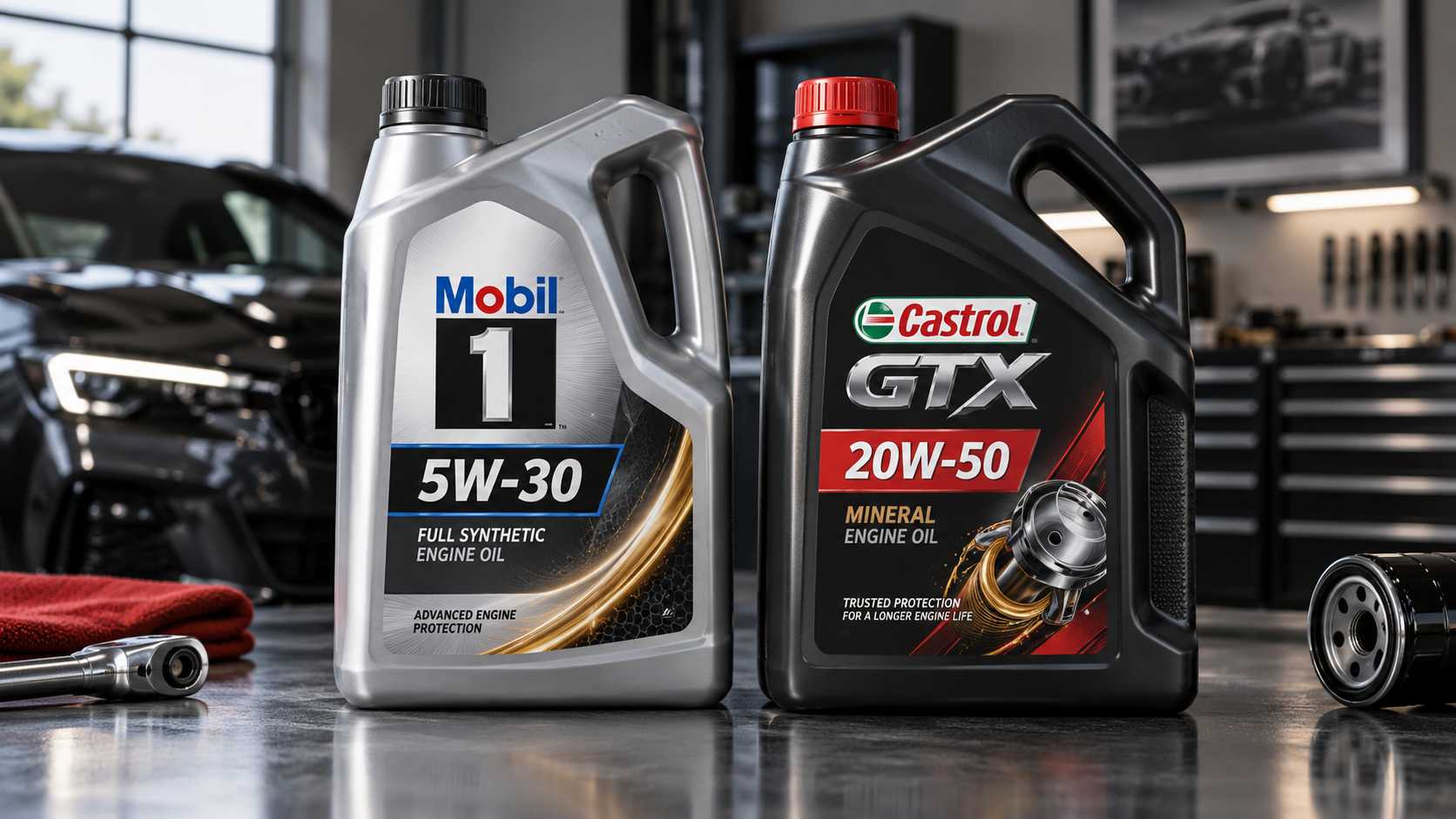
What the numbers describe
The number before W describes how the oil flows at lower temperatures, while the number after W describes viscosity at operating temperature. These labels are not a simple quality ranking.
Why the grades behave differently
A 5W-30 oil generally flows more readily at low temperatures and has a lower operating-temperature viscosity than a 20W-50 oil. A 20W-50 oil is thicker at operating temperature. Neither grade is automatically better for every engine.
Modern engines are designed around specific oil grades and performance standards. Using an unsuitable viscosity may affect lubrication, fuel economy, emissions systems or warranty requirements.
Choose by specification, not climate alone
Qatar’s heat is a reason to maintain the vehicle carefully, but it is not a reason to ignore the owner’s manual. Check the recommended viscosity, API or ACEA performance standard, approvals and oil-change interval for your exact engine.
COMMON QUESTIONS
Frequently asked questions.
Can I switch from 5W-30 to 20W-50 because of heat?
Only if the manufacturer permits it for your engine. Consult the owner’s manual or a qualified technician.
Does higher viscosity mean better protection?
Not by itself. The engine requires the viscosity and specification it was designed to use.
PETROMARK PRODUCT SUPPORT
Looking for a suitable part or product?
Share your vehicle and requirements with the Petromark team to confirm availability and suitability.
KEEP READING
Related guides.

Auto Spare Parts in Qatar: A Complete Guide for Car Owners
A practical guide to choosing suitable replacement parts, confirming fitment and buying with confidence in Qatar.
Read guide
Genuine vs Aftermarket Spare Parts: What’s the Difference?
Understand the practical differences between genuine and aftermarket parts before choosing a replacement component.
Read guide
How Often Should You Change Engine Oil in Qatar?
How heat, traffic, short trips and driving conditions influence practical oil-maintenance planning in Qatar.
Read guide